

The Best Payment Methods for Online Transactions
In today’s digital era, online transactions have become an integral part of our daily lives. Whether it’s for shopping, gaming, or banking, securing your payment method is crucial. This article discusses the best payment methods for online transactions, exploring their advantages and disadvantages, to help you make informed choices. Best Payment Methods for Online Casino Players in Bangladesh Mostbet bd 1
1. Credit and Debit Cards
Credit and debit cards are among the most commonly used payment methods for online purchases. They offer convenience and are accepted by nearly every online retailer. Major card networks like Visa, MasterCard, and American Express provide robust security measures, including fraud detection and chargeback options, making them a reliable choice for consumers.
However, users must take precautions, such as ensuring they are using secure connections and monitoring their accounts for unauthorized transactions. Additionally, some cards impose foreign transaction fees, which can affect your purchases when shopping internationally.
2. E-Wallets
E-wallets, such as PayPal, Skrill, and Neteller, have gained immense popularity due to their convenience and security. These digital wallets allow you to store your payment information securely and transact without sharing personal details with merchants. E-wallets often come with added benefits, including bonuses and cashback offers.
While e-wallets are easy to use, users should consider potential fees for transactions, particularly when withdrawing funds to a bank account or using the e-wallet for currency conversion. Additionally, some e-wallet services may not be available in all regions, limiting their usability.
3. Bank Transfers
Bank transfers are a traditional method of sending money electronically. They are secure and suitable for larger transactions, such as paying for online services or making purchases from higher-end retailers. Transfers can be initiated through online banking portals, mobile apps, or by contacting your bank directly.
One drawback of bank transfers is that they may take longer to process compared to other payment methods. Some banks charge fees for international transfers, and inaccuracies in details can result in delays. Nonetheless, bank transfers remain a trusted method for online transactions for many users.
4. Cryptocurrencies
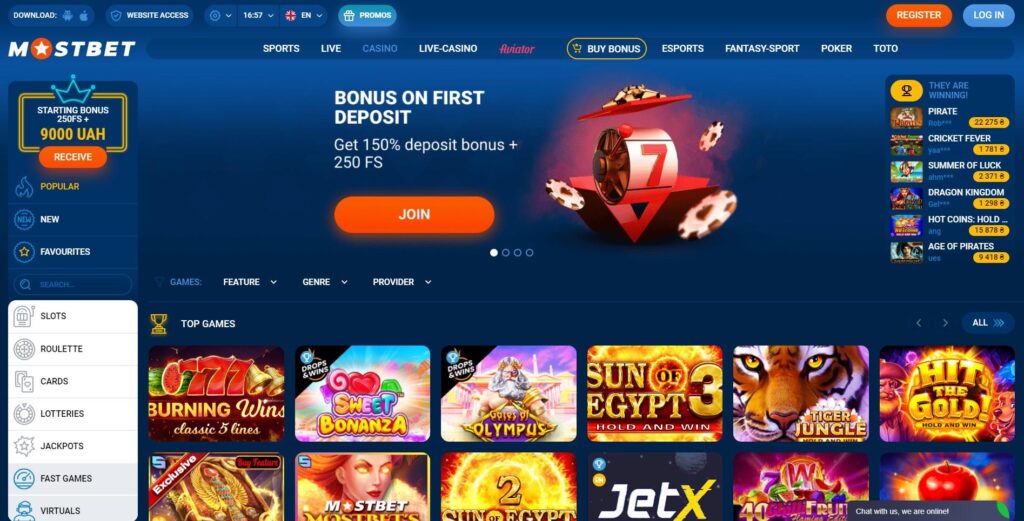
Cryptocurrencies, like Bitcoin, Ethereum, and Litecoin, offer a decentralized way to conduct transactions that bypasses traditional banking systems. They provide anonymity, security, and lower transaction fees, which makes them appealing for online transactions. Moreover, many businesses are starting to accept cryptocurrencies as a form of payment.
However, the volatile nature of cryptocurrencies can pose risks to both buyers and sellers. Prices can fluctuate dramatically, leading to potential losses if not managed properly. Additionally, cryptocurrencies are not universally accepted, and their legal status varies by country, which might limit their usability for some consumers.
5. Buy Now, Pay Later (BNPL) Services
Buy Now, Pay Later services, such as Afterpay, Klarna, and Affirm, have surged in popularity, especially among younger consumers. These services allow users to split their purchases into manageable payments over time without incurring interest if paid on time. This method provides financial flexibility and ease of budgeting.
On the downside, missed payments can lead to fees and potential negative impacts on credit scores. Additionally, users can exceed their budgets if they’re not careful as they may be tempted to make larger purchases than they can afford.
6. Prepaid Cards
Prepaid cards are another excellent option for those looking to control their spending. Users load a specific amount of money onto the card, and once it runs out, they can no longer make purchases. This method can be useful for budgeting, especially for online shopping.
The disadvantages include potential fees for loading money onto the card or monthly maintenance fees. Prepaid cards might not be accepted everywhere, particularly for recurring payments like subscriptions or bills. Users should also be cautious of the card’s limitations in terms of international transactions.
Choosing the Right Payment Method
The best payment method for online transactions ultimately depends on your needs and preferences. Here are some points to consider when choosing a payment method:
- Security: Ensure the method you choose offers solid security features to protect your financial information.
- Convenience: Choose a method that fits easily into your shopping routine and is accepted by your favorite retailers.
- Fees: Be mindful of any associated fees with the payment method, especially for international transactions.
- Speed: Some transactions may take longer than others, so if speed is essential for you, consider options that process quickly.
- Rewards: Some methods offer cashback, points, or other rewards, which might influence your choice.
Conclusion
Navigating the vast array of payment options for online transactions can be overwhelming. Understanding the advantages and disadvantages of each method is crucial to making an informed decision. Whether you prefer the traditional reliability of credit cards or the innovative appeal of cryptocurrencies, there are options available that can meet your needs. Always prioritize security and consider the specific requirements of each transaction. As the digital landscape continues to evolve, staying informed about the best payment methods will help you shop confidently online.